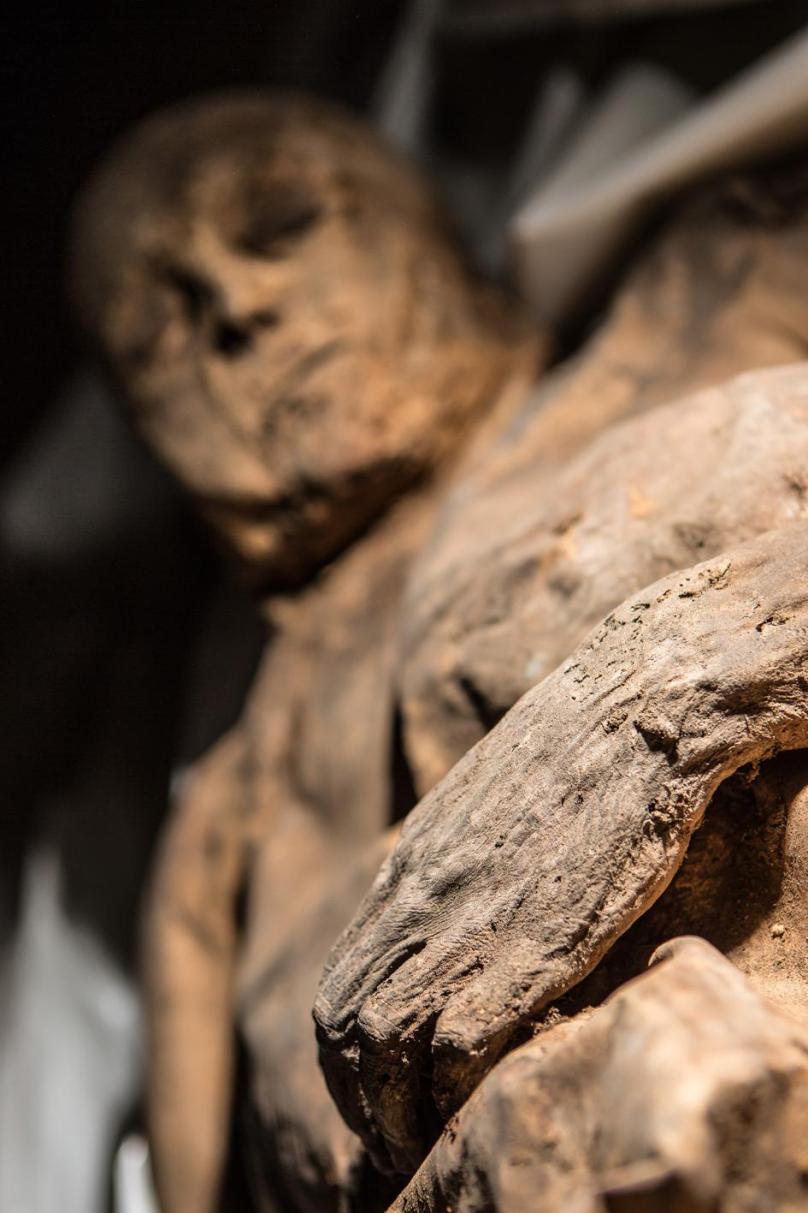
“The most terrible of all the ministers of death” may have started afflicting humans in the 1500s, altering our understanding of the disease.
CHR Comment: The mummies are located at the Dominican Church of the Holy Spirit in Vilnius, Lithuania.
“The most terrible of all the ministers of death” may have started afflicting humans in the 1500s, altering our understanding of the disease.
CHR Comment: The mummies are located at the Dominican Church of the Holy Spirit in Vilnius, Lithuania.
Seeds in the excrement indicate it came from someone eating an upper-class diet with fruit, nuts and spices, most likely Jens Bircherod, the Bishop of Aalborg.
CHR Comment: The interview describes how archaeologists studied a latrine, discovering the differences between the life of a leading church figure and a typical Dane. This is a physical illustration of how church hierarchy enjoyed a privileged position in European society.
Source: Danes match 300-year-old poop with bishop who made it – Home | As It Happens | CBC Radio
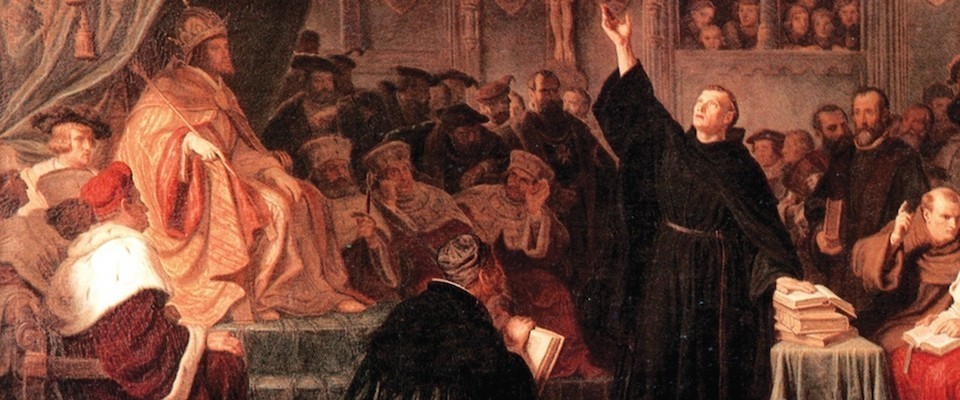
CHR Comment: A brief description of anniversary and ecumenical efforts during the Age of Protestant Orthodoxy in 1617 and 1717.
Source: Celebrating the Reformation | Peter J. Leithart | First Things
“Articles of faith are derivatives, namely, conclusions taken from the Scriptures. Therefore not they but Scripture itself is the only and proper principle of theology.” Gerhard, Theological Commonplaces: Exegesis I, p. 25.
What I write and teach is derived from Scripture and must remain subject to the Scripture—the principle of knowing about God, who is Himself the principle of being and the first cause of theology.
When I’m writing for God, I’m connecting people to the Scripture, which connects them to the greatest writer—God Himself—who composes a word and brings things into being through it (Gn 1:3). Now that’s creative writing!
God—Scripture—my writing/teaching—reader
Remarkably, God chooses to work through me and through you.
 From contentious early history to new scientific experiments, these facts will help you see this holiday fixture anew.
CHR Comment: The use of trees in Christmas celebrations first appeared in the medieval period in northern Europe, not during the era of the “Early Church” as the article states (the examples are from the Age of Orthodoxy after the Reformation). Christmas trees likely came from the customs of burning trees/logs during the darkest days of winter since the winter solstice falls near the time of Christmas (December 25). Although some church leaders opposed the use of the trees, others saw no harm in it. The second link, from the History Channel, provides further information.
Source: 11 Facts You Might Not Know About Christmas Trees | Mental Floss
http://www.history.com/topics/christmas/history-of-christmas-trees
 A National Geographic film takes an even-handed approach to the story of Thanksgiving.
CHR Comment: The film should be interesting. The article fails to mentions some important features of the history, such as the way some Indians looked to the Europeans as potential allies against other Indians as well as the role of disease, which was the primary cause of the decimation of the Indian population. Jered Diamond’s “Guns, Germs, and Steel” helps explain the role of disease especially well. I hope the film likewise describes the Puritanism of the Pilgrims, understanding them as Christians. The second article linked below refers to a documentary in PBS’s American Experience series, which is also about the Pilgrims.
 church history review