Computers Decipher Burnt Scroll Found in Ancient Holy Ark

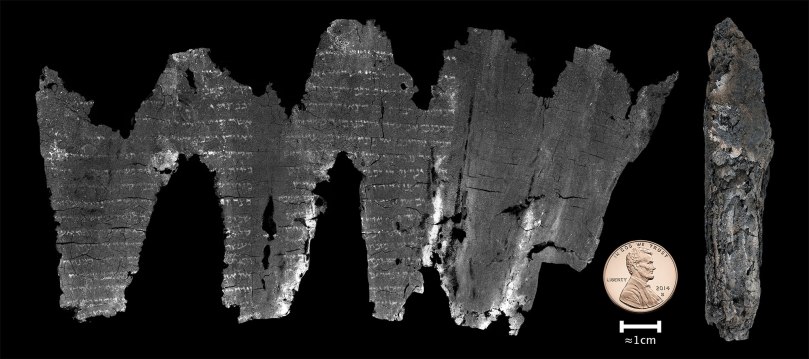
Scientists have formally announced their reconstruction of the Ein Gedi Scroll, the most ancient Hebrew scroll since the Dead Sea Scrolls.

CHR Comment: The Ein Gedi Scroll contains a text of Leviticus that is consistent with the Masoretic text used by Jews and Christians today. This is also likely the kind of Hebrew text known to Jerome, who translated the Vulgate. The text stands between the Dead Sea Scrolls and those discovered in the medieval Cairo Genizah, helping to fill a gap in the story of the biblical text.

The second article below dates the text to between the second and fourth centuries AD.

Source: Computers Decipher Burnt Scroll Found in Ancient Holy Ark
http://www.csmonitor.com/Science/2016/0922/En-Gedi-scroll-unfurled-How-technology-helped-reveal-an-ancient-biblical-text

Jerusalem Biblical Temple Floor Designs

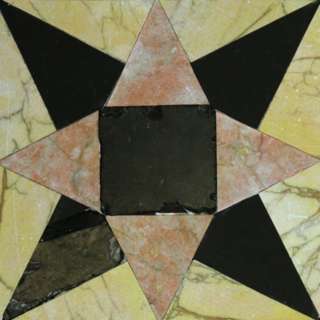
Archaeologists in Jerusalem say they have for the first time reconstructed likely designs of a Biblical Jewish temple floor using original fragments.

CHR Comment: The courts of the Second Temple, reconstructed by Herod the Great, was a site where Jesus taught His disciples and where early Christians gathered for prayer. If these reconstructions prove accurate, they will give us a better sense of one place where early Christian teaching was shared. It’s important to learn more about how the reconstruction of the tiles took place.

Source: Jerusalem Biblical Temple floor designs ‘restored’ – BBC News

Facing the Altar during Mass

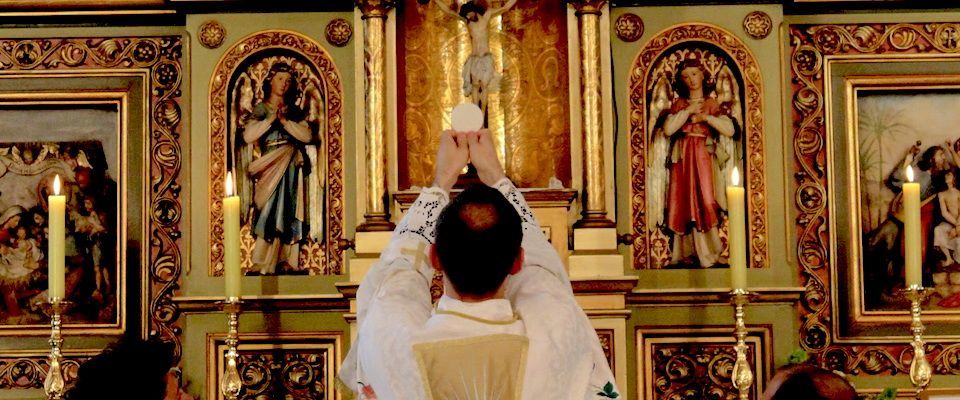
The common orientation of priest and people during the Liturgy of the Eucharist symbolizes—or perhaps better, lives out—the Church’s conviction that the Mass is an act of worship offered to the Thrice-Holy God.

CHR Comment: The article includes comment on early Christian practice and Vatican II liturgical reform, which is now being reconsidered.

Source: He’s Not “Turning his Back to the People” | George Weigel | First Things

Second Temple-Era Synagogue Unearthed in Northern Israel

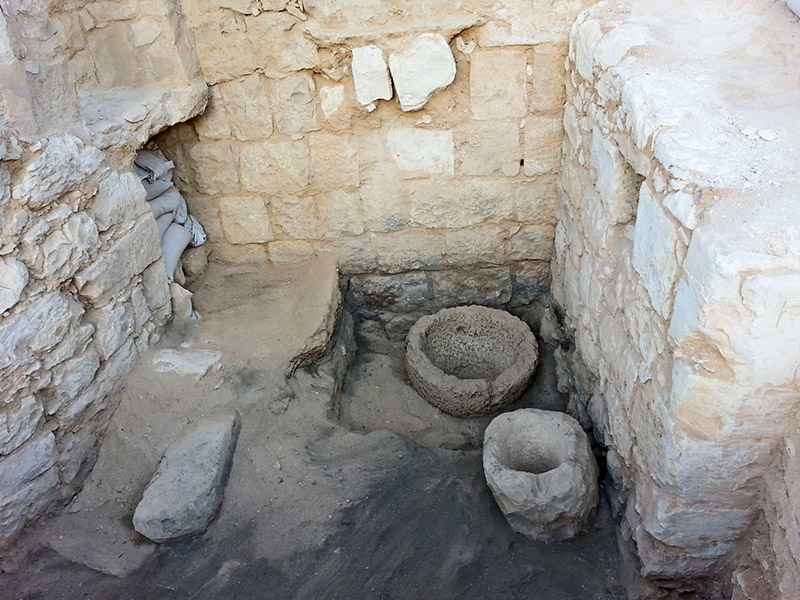
(Israel Hayom/Exclusive to JNS.org) The remains of an unusual structure that served as a synagogue during the Second Temple era have been unearthed at an archaeological excavation underway at Tel Rechesh in the heart of the Nahal Tavor Nature Reserve in the lower Galilee.

CHR Comment: According to the Gospels, one of the earliest witnesses to the existence and practices of synagogues, Jesus taught at synagogues like this one discovered in Galilee. The site gives testimony to the Gospel accounts and detailed information about the setting of Jesus’ ministry.

Source: Second Temple-era synagogue unearthed in northern Israel — JNS.org

Roman ‘Curse Tablets’ Made of Gold Discovered in Viminacium, Serbia

The precious tablets feature an incomprehensible language and symbols that were perhaps designed only to be read by gods and demons.

CHR Comment: Use of curses is very ancient, found in many Near Eastern Religions where curses were written on pottery and then smashed. The golden Roman era tablets include Christian titles for God alongside titles for pagan deities, illustrating syncretism of religious devotion. Such practices are well documented and perhaps not as surprising as the article asserts. For example, many Christians today will go to church and use official literature and practices while also consulting their horoscope or making use of other popular religious practices.

Source: Roman ‘Curse Tablets’ Made of Gold Discovered in Viminacium, Serbia – NBC News

Christianity in Georgia

This ancient Christian country coveted by major powers is showing the world how a nation can survive by never relenting in its defence of its faith.

CHR Comment: The article describes the on-going influence and value of the Christian heritage of Georgia, which dates back to the fourth century. The article notes the suffering imposed by Muslims in the medieval era and by Soviets in the modern era.

Source: Christianity is this ancient country’s key to survival: Where people defend their faith ‘to the last drop of blood’ | Christian News on Christian Today

Cyprus Restores Derelict Churches, Mosques

Seyfi Tunelci long watched in sorrow as the derelict Orthodox Christian monastery at Myrtou in Cyprus’ overwhelmingly Muslim north crumbled before his eyes. Now he’s part of an island-wide team toiling to repair the medieval building and dozens of other Christian and Muslim sites that fell into ruin during decades of ethnic division.

CHR Comment: Sites range from as early as the fifth century. 120 total sites are to be restored with European Union funds. The sites include significant art work that would be lost if repairs were not made. The sites are crumbling due to neglect since the division of the island into north (Muslim) and south (Christian) areas.

Source: Rebuilding peace: Cyprus restores derelict churches, mosques – The Washington Post