What Really Happened in Salem in 1692. Author Interview with Stacy Schiff

CHR Comment: A Pulitzer Prize winning author offers a cautionary tale about fear and faith. The witch trials were a classic example of overreaction and mob mentality that led to injustice. The decisions in this case damaged the authority of the churches in colonial America. The author points out that “Mercy goes missing.”

Source: The Witches: What Really Happened In Salem In 1692 — An All Together Conversation With Stacy Schiff

Christians Are Not Outraged about Starbucks Cups

The media inform us Christians are upset about Starbucks cup for making Christmas even less religious than normal. The evidence is sorely lacking.

CHR Comment: Mike Tokars, a staff reporter for the Christian Science Monitor, raised the question of whether Christians were outraged about Starbuck’s new cups, extending an online discussion. Mollie Hemingway’s article “Nobody Is Actually Upset” corrects the record and includes some helpful history about holy day/holiday “wars.” The news reports about Starbucks started from a lampoon on a blog and not from any Christian uprising against the colored cups.

Source: Nobody Is Actually Upset About The Starbucks Cup#.VkMpXXd1I0U.email

http://www.csmonitor.com/USA/USA-Update/2015/1108/Is-Starbucks-brewing-a-War-On-Christmas?utm_medium=referral&utm_source=pulsenews

Supreme Court Is Taking Up Obamacare contraceptive mandate Again

By agreeing Friday to hear a new case on the Obama contraception mandate, the Supreme Court will consider a different aspect of religious freedom and workers’ rights.

CHR Comment: This case represents an important decision about religious rights in the United States since the burdens imposed by the government are so difficult for small religious organizations, such as the Little Sisters of the Poor, to oppose. The case will likely set an important precedent as the United States has moved toward large government programs and policies that can easily tramp individual and small group rights.

Source: Why Supreme Court is taking up Obamacare contraceptive mandate again – CSMonitor.com

Stunned Archaeologists Find 22 Ancient Greek Shipwrecks

Two weeks of diving uncovered centuries of sunken ships, and researchers are deciphering the clues contained in each.

CHR Comment: Twelve of the 22 wrecks date from the late Roman period (300-600 AD) when Christianity was ascendant or dominant in the empire. Excavations should yield new information about life in those times and perhaps also matters of faith.

Source: Stunned Archaeologists Find 22 Ancient Greek Shipwrecks

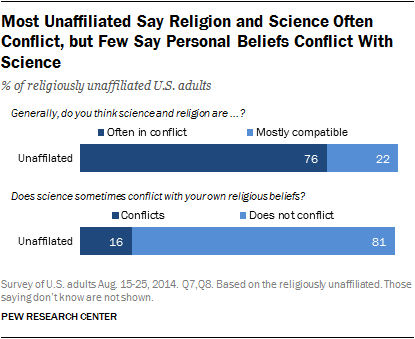
Science and Religion. Pew Research

A majority of the public says science and religion often conflict, but people’s sense that they do seems to have less to do with their own religious beliefs than their perception of others’ beliefs.

CHR comment: As science gained importance in the medieval era, Christian theologians emphasized the harmony between science and religious belief, which continued into the modern period. Since the Enlightenment, non-religious people have argued for a gulf between science and religion. The Pew findings illustrate that non-religious people continue to hold to that bias.

Source: What U.S. Religious Groups Think About Science Issues | Pew Research Center

Church Tips Driver $1,000 for $5.99 Pizza

A Domino’s driver was left in tears when an Ohio church congregation tipped her more than $1,000 after she delivered a $5.99 pizza, according to local media.

CHR Comment: The congregation was studying generosity. One notes, however, that someone was video taping the exchange with the driver and somehow the story was delivered to local media. It looks more like a publicity stunt than a random act of kindness.

“But when you give to the needy, do not let your left hand know what your right hand is doing, so that your giving may be in secret. And your Father who sees in secret will reward you.” (Matthew 6:3-4)

Source: Church tips driver $1,000 for $5.99 pizza

 

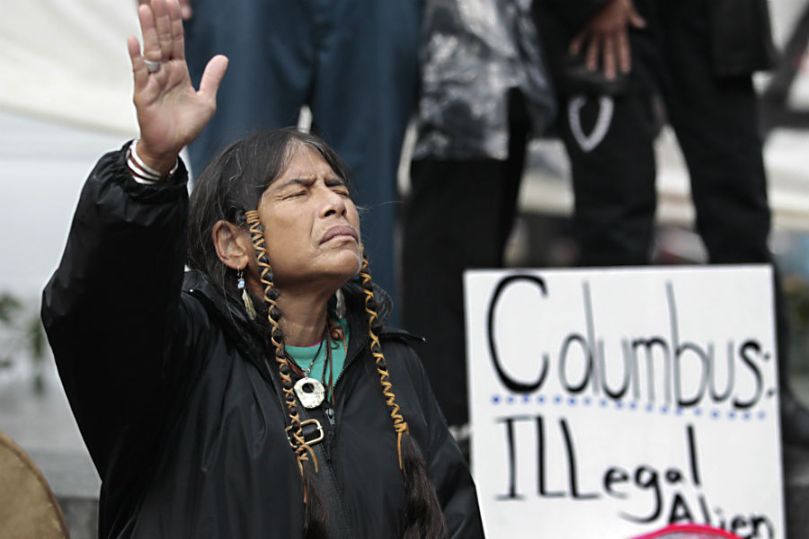
Spanish Archbishop Sells Arawak Indian Slaves

A century ago, Christopher Columbus was considered the most glorious explorer in American history. Today, major cities are voting to eliminate the national holiday in his name. What happened?

Source: How did Christopher Columbus become so controversial? – CSMonitor.com

Columbus brought Indians to Europe as slaves, which a church leader in turn sold. How did churchmen get into the business of slavery, which had all but died out during the medieval period? (Serfdom has similarities to slavery but also important differences.) The fact that this happened in Spain, which most keenly felt Muslim influence during the medieval period, should not be overlooked.