Cyprus Restores Derelict Churches, Mosques

Seyfi Tunelci long watched in sorrow as the derelict Orthodox Christian monastery at Myrtou in Cyprus’ overwhelmingly Muslim north crumbled before his eyes. Now he’s part of an island-wide team toiling to repair the medieval building and dozens of other Christian and Muslim sites that fell into ruin during decades of ethnic division.

CHR Comment: Sites range from as early as the fifth century. 120 total sites are to be restored with European Union funds. The sites include significant art work that would be lost if repairs were not made. The sites are crumbling due to neglect since the division of the island into north (Muslim) and south (Christian) areas.

Source: Rebuilding peace: Cyprus restores derelict churches, mosques – The Washington Post

Cats and the Superstitions of Some Christians

And you thought cat stories were just an internet thing.

CHR Comment: The twelfth entry in this article describes early Christian, medieval, and modern superstitions regarding cats, which were associated with the devil.

Source: 14 Legends About Cats From Around the World | Mental Floss

Archaeologists Locate Lindisfarne monastery

A crowd-funded archaeology dig has uncovered evidence of the lost medieval monastery where the Lindisfarne Gospels were written.

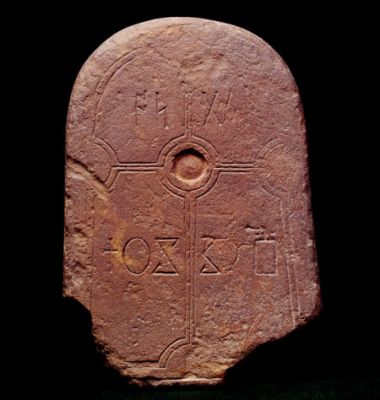
CHR Comment: The site yields important information about early Anglo-Saxon Christians, examples of their artistry, and the result of attacks by the Vikings. The monastery was founded in 635 AD but researchers had not identified its exact location.

The article mentions the importance of “frith” in Anglo-Saxon names (also spelled “vride”). The word is related to the modern German term “friede,” which means “peace” or “security,” and was an important ideal in Germanic society and law.

Source: Archaeologists dig up Christian grave marker that pinpoints site of first Lindisfarne monastery | Christian News on Christian Today

Two Cases: Allegations of Abuse and Conviction of Abuse

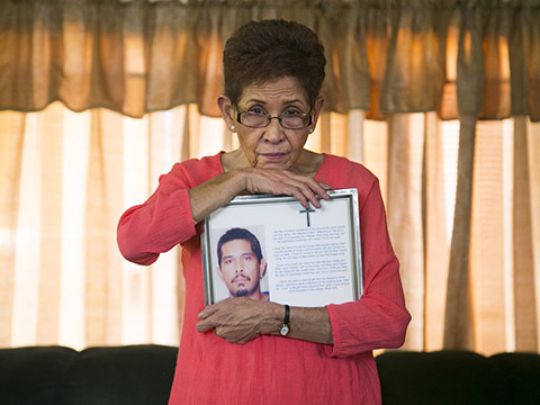
Mother whose son died in 2005 decided she had to come forward with her son’s story about archbishop’s abuse because she knew the first victim.

CHR Comment: Normally I do not repost or comment on these stories with allegations against church officials. However, the release of this story alongside another case moved me to add something to the history log about these events. Sadly, such cases of abuse are all too real and destructive to the life of the church and to human beings generally. The problem of sinful abuse is ever present where corruption prevails.

The first story is about Archbishop Anthony Apuron of Guam who is relieved from his duties while under investigation after three allegations of abuse. The story explains that Apuron continues to hold the title of archbishop and that the Roman Catholic Church claims the sole right to investigate and judge their clergy, a matter that goes back to medieval distinctions between civil and canon law and the jurisdictions that applied with each. Although this case is still under investigation, recent history has included many examples of abusive clergy brought to justice.

The second story link below is about a “Christian” English teacher, Richard Huckle, who taught in Malasia for c. 9 years, repeatedly abused children, and even composed a manual on how to commit such sins and get away with them. A London court has given him 22 life sentences. His case perhaps presents the most compelling argument for the death penalty, given the callous, destructive nature of his crimes. Huckle is a most dangerous, predatory person who wants others to repeat his crimes. Keeping him alive seems exceptionally dangerous to the most vulnerable persons in society.

Source: Temp archbishop arrives to oversee Guam Catholics

http://www.cnn.com/2016/06/06/world/britain-asia-child-abuse/index.html

FOUND: Medieval Dinosaurs!

Curious carvings on a church in the mountainous north of the Republic of Georgia look like…dinosaurs?

CHR Comment: Blogger Gemma Tarlach discovered these wonderful carvings on the belfry façade of the Church of Tsminda Sameba (Holy Trinity). The carvings date from the fifteenth century and likely represent salamanders. But they do look remarkably like sauropod dinosaurs. The second link below takes you to an article about the church.

Source: FOUND: Medieval Dinosaurs! – Dead Things : Dead Things

https://en.wikipedia.org/wiki/Gergeti_Trinity_Church

End of Christian Rule in Constantinople

In Turkey, secularists and Islamists alike revere Mehmet II, but both sides paint him in their own image.

CHR Comment: May 29th is commemorated in Turkey as the day when Mehmet II conquered Constantinople in 1453. He ended the Christian Byzantine Empire—the last remnant of the ancient Roman Empire. He likewise converted the grandest church in Christendom, Hagia Sophia of Constantinople, into a mosque. He is a controversial figure these days as different Muslim groups try to interpret his legacy and plan their future.

Source: In 1453, this Ottoman sultan ended Christian rule in Constantinople. But was he a good Muslim? – The Washington Post

Medieval Church Paintings in Northern Sudan

A large group of paintings dating back to the ninth century have been discovered by archaeologists inside the ancient Church of Raphael in Northern Sudan.

CHR Comment: Archaeologists from the University of Warsaw have uncovered a set of paintings in the Church of Raphael. The paintings depict historical persons from the ninth century to the fourteenth century, as well as archangels and angels. The images also depict relations between Makuria and Dongola, kingdoms in the region.

Source: North Sudan: Archaeologists discover ‘unique’ ancient church paintings | Christian News on Christian Today

Oxford University Will Keep Statue of Cecil Rhodes

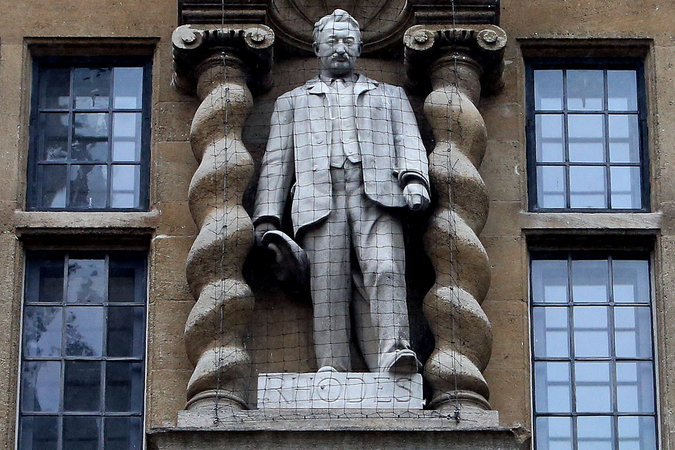
Oriel College, one of 38 largely self-governing colleges at Oxford, said it would keep the statue of the man regarded by many as an architect of apartheid.

CHR Comment: Cecil Rhodes, namesake of the Rhodes Scholars, was the son of an Anglican pastor. Rhodes studied briefly at Oriel College and later developed white supremacist views. He practiced colonialism, which has tarnished his business accomplishments in the mining trade. Oriel College has deep connections to Christian history from its medieval foundation to the modern Oxford Movement. The story illustrates issues of legacy and power due to the large donation Rhodes left to the school.

Source: Oxford University Will Keep Statue of Cecil Rhodes – The New York Times

Sunni-Shiite Schism Compared with Catholic-Protestant Divide

A disagreement 14 centuries ago over Islamic leadership following the death of the Prophet Mohammed –whether it should be by merit or bloodline–divides a religion that will be world’s largest this century.

CHR Comment: Reporter Gregg Zoroya attempts to make the Sunni-Shiite conflict more understandable to western readers by comparing it to the conflicts that followed the Protestant Reformation. Both the Muslim conflict and the Christian conflict had issues of authority at their center and resulted in wars, which makes the different events comparable to some extent.

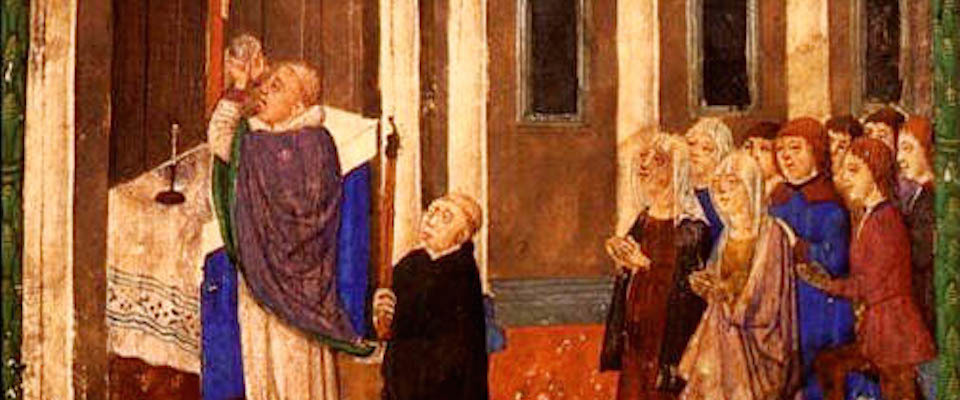
Zoroya points out that the conflict in Islam was over who would succeed the prophet Mohammed as a leader. In the Reformation, the conflict was different. Before the Reformation took place, the medieval church was developing the modern papacy and often conflicted with kings  and councils over issues of authority . Martin Luther appealed to the Scriptures as the ultimate authority since popes and councils erred. When the papacy took offense at Luther’s teaching and concluded that he was harming the church, Luther and his supporters appealed for a council to address the issues. The papacy did not wish for such a counsel to take place, which would undermine papal authority by putting the Protestants and the papal supporters on equal footing. Ultimately, the papacy did call what we know today as the Council of Trent (1545-1563), which established the doctrine and practice of Roman Catholicism in distinction from Protestantism. Not long afterward, the European wars of religion arose (Thirty Years’ War; 1618-1648), which brought horrible devastation.

When reviewing religious history, it is important to note that conflicts often have their origin not in religion itself but in the varied interests of religious people. There are always political and economic factors that attach themselves to the spiritual issues.

Source: Ancient Islamic Sunni-Shiite schism inflames a modern world